Friday, April 10, 2026
Home Blog Page 11

New outlook and pivot for the packaged food industry

0
packaged food - Point 2 Note
packaged food

Due to the COVID-19 pandemic and subsequent lockdown, we have seen changes in the habits and behavior of Indian consumers, which has resulted in new demands and needs of the Indian Consumers. The change is supposed to dictate the new norm and outlook for the post COVID-19 phase for the Indian packaged food industry. 

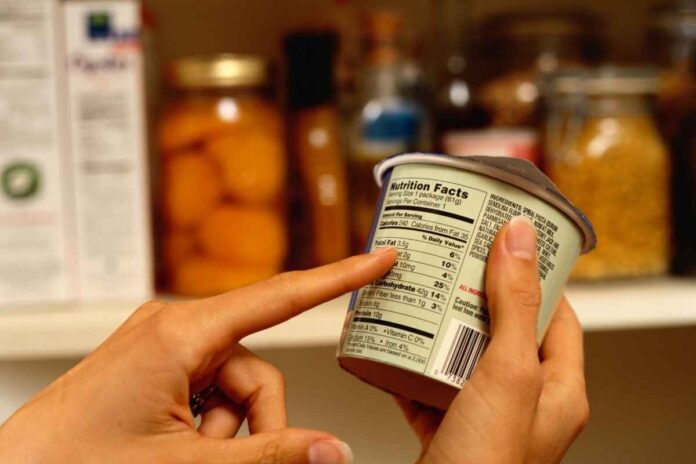
With the fear of coronavirus, the need for good and healthy food products has increased, and consumers are more comfortable buying packaged food and beverage products. They may not be processed, but it is important to note that they are generally well labeled and packed hygienically. Private labels in modern trade will rule the business as regional food manufacturers will continue to dominate its general trade. The penetration across the lower SECs will gain momentum as consumers begin to be less price conscious as the lockdown has given them the experience of being healthy, which is priceless.  

Another exciting aspect is the growing need for new age grains such as millets and quinoa, which will gain momentum. Millets are gluten-free, highly nutritious cereal that needs very little water for their production, the short growing period under dry, high-temperature conditions works in its favor. Millets are rich in calcium, iron, potassium, magnesium, and zinc, which help control Type 2 diabetes and reduce heart disease risk. It is also an excellent source of protein and fibre. Quinoa is another new age Grain with an incredible nutrition base and is considered better sources of fibre, protein, vitamin B, iron, and high protein levels than other grains available. 

The momentum for these new-age grains will solely depend on the food marketer’s ability to effectively market the products through innovative methods and make them into regular, daily usage products for consumers.  

Micro-nutrient deficiencies continue to pose significant public health problems for people. Food fortification is one of the simplest and most sustainable public health strategies to address micro-nutrient deficiencies. Fortified foods have a better impact as they help maintain a steady body, store vitamins, and minerals when consumed regularly. Making fortified foods available to the Indian consumers around the country is a primary objective of FSSAI.

The new standards now provide a minimum and maximum range for the fortification of staples like wheat flour, maida, rice, salt, vegetable oil, and milk. Simultaneously, the micronutrient usage has been adjusted to provide 30 to 50 percent of the daily requirements. However, fortified foods are not considered natural, and many major food manufacturers are not in favor of the artificial fortification to address vitamin and mineral deficiency. 

As per RS Sodhi, Managing Director, GCMMF

The current fortification … is like a medication, which chemically fortifies the milk. Amul is not for synthetic and artificial fortification especially. 

 Hence, the future belongs to biofortified foods. Biofortification is a cost-effective and sustainable solution that uses conventional plant breeding and agronomic practices to increase the density of micronutrients such as Vitamin A, zinc and iron in staple foods such as wheat, rice, pearl millet, maize beans and other food crops. Packaged food products that are manufactured from these biofortified staple foods will be preferred by consumers, which enhances their immunity.

The rise of value-added culinary ingredients and ready to cook food items for home cooking will be in huge demand. People will be drawn towards using more of the products that will remove the drudgery of peeling, cutting, grating, grinding, and sautéing of vegetables and culinary ingredients. The demand for cut vegetables and peeled garlic and ginger available at major retail supermarkets will be in great demand.

The basic culinary pastes such as ginger garlic paste, tamarind paste, coconut milk and milk powders, tomato puree, and pastes will grow exponentially due to high demand. Ready to cook food items offer great convenience to consumers without compromising on quality and taste.

At MTR, we aim to take the time-factor out of the cooking occasion, making Indian food convenient and easier to prepare as well as delicious to consume. For instance, in our 3-Minute Breakfast Range anyone can access quintessential breakfast dishes of India such as poha by just adding hot water without losing out on taste. Such on-the-go product formats are what that attract millennials who are currently the driving force behind redefining India’s consumption story, – says Sunay Bhasin, Chief Marketing Officer at MTR Foods Private Limited

The new home cooking will also demand the intermediate gravy mixes such as red tomato gravy mix for lentils, vegetables, chickpeas, and other curries, and the non-veg gravy mixes for preparing the non-veg dishes. The less culinary skilled persons and people living alone already prefer ready to cook spice mixes for both vegetarian and non-vegetarian dishes. These products will be the new cooking aid for many in the future as this saves much time in preparation. 

The pandemic has undoubtedly changed the way consumers think, behave, and demand quality food products in the current situation. The packaged food industry has seen massive growth, and to be successful in the business, the brands will have to continue to ensure high-quality products and service availability.


India’s first COVID-19 vaccine Covaxin safe, enters Phase II trial

0
COVID-19 vaccine - Point 2 Note
COVID-19 vaccine

The testing of the COVID-19 vaccine Covaxin developed by Bharat Biotech shows no side effects in its first trial and has entered the phase II trial. The trial is expected to be conducted on 380 volunteers.

This is to inform that the subject proposal was examined in consultation with SEC (Covid-19) experts held through virtual meeting on September 3, wherein the committee recommended for the conduct of Phase II part of clinical trials with 380 participants subject to the condition that time for screening the participants should be revised in 4 days, – said the Directorate General of Health Service

In the first phase of COVID-19 vaccine, blood samples of volunteers were collected to ascertain how effectively antibodies are developed, showing positive signs. 

Dr. E Venkata Rao, Principal Investigator of the trial at Institute of Medical Sciences (IMS) and SUM Hospital, faculty of medical sciences, also mentioned that as soon as the volunteers were injected with the vaccine, a spike in the production of antigens was observed. Lab samples, too, did not record any adverse effects.

Each stage of development of a vaccine is crucial as it tests the safety and immune response ability. While Phase I is about safety and testing small dosage with a small group of healthy volunteers, Phase II tests the effectiveness. Phase III is a step ahead with a larger population representing a broader demographic.

We are expecting vaccines to be ready by the end of the year. It is because of the farsightedness of Prime Minister Narendra Modi that we could reach until here, said Dr. Harsh Vardhan, Health Minister of India

Government officials have also conducted meetings with important stakeholders to prioritize the production, marketing, and administration of vaccines in the coming months, he added. 

Apart from Bharat Biotech, Zydus Cadila is another company that has begun human trials for COVID-19 vaccine, and another vaccine developed by Oxford University and Swedish-British drugmaker AstraZeneca is reportedly under Phase II trial at BJ Medical College.

As cases are increasing in India and globally, there is an urgent need for COVID-19 vaccine. Covaxin raises hopes, but it is still early to speculate its effectiveness for mass inoculation. The successful phase II will clarify the advantages and disadvantages of the vaccine.

ICICI Lombard Bharti AXA deal makes the former third-largest non-life insurer

0
ICICI Lombard Bharti AXA deal - Point2Note
ICICI Lombard Bharti AXA deal

ICICI Lombard Bharti AXA deal is expected to increase its business through the bancassurance and corporate agency tie-ups that Bharti AXA has developed. Both these General Insurance companies have come together for a merger, which will make ICICI Lombard the third-largest non-life insurer in India if concluded successfully.

This merger was initiated when a scheme of arrangement between the two companies gained approval. As per the agreement, the ICICI Lombard Bharti AXA deal will spawn India’s third-largest insurance body within a year. 

This is a landmark step in the journey of ICICI Lombard, and we are confident that this transaction would be value accretive for our shareholders. We would also like to reassure Bharti AXA’s policyholders and channel partners of seamless business continuity and maintaining the highest standards of customer service.– said Bhargav Dasgupta, CEO, ICICI Lombard  

This acquisition is being valued at Rupees 4600 crores and is said to be a pure-stock transaction. Once the stake is claimed successfully, Bharti AXA will cease operations on its non-life insurance business. When the agreement was reached between the board members of the respective organizations, it was decided that the shareholders of Bharti AXA would each receive two ICICI Lombard shares in exchange for 115 Bharti AXA shares that they were holding on the day of approval of the agreement.  

The transaction is expected to help ICICI Lombard tie-up with the leading banks which will be further leveraged to introduce health products, OPD products, fixed benefit products, and other small-ticket products in the market. For Bharti AXA, the move is to shift from the motor insurance, small & medium-sized enterprises to cross-sell other products.

The emerging company is predicted to be in possession of approximately 8.7% market share on Pro-forma grounds. ICICI Lombard is confident of positive outcomes from the merger. It stated that the resulting entity would host a broader product suite and provide a more significant number of access points and comprehensive services to customers. 

Over the past few years, our business demonstrated consistent growth, forged productive partnerships and increased the distribution footprint significantly. We are confident that the proposed amalgamation of our business with ICICI Lombard will bring greater business synergies and create value for all stakeholders, – said Rakesh Bharti Mittal, Chairman of Bharti AXA General Insurance. 

This is an ideal business opportunity for Bharti AXA since it has been trying to step away from its financial services business for quite a while. Bharti AXA pursued a similar agreement in 2016 when it had approached Reliance Industries, offering up a 74% stake in the life insurance business. However, this did not fructify at the time.  

The merger will conclude successfully after it has received relevant approvals from the Insurance Regulatory and Development Authority of India (IRDAI), the Competition Commission of India, stock exchanges, the Securities and Exchange Board of India (SEBI) as well as from different shareholders and stakeholders. 

ICICI Lombard Bharti AXA deal will be beneficial for customers since ICICI Lombard will emerge as a much more robust and financially stronger insurer to fulfill customers needs.  

Changing Indian consumer behavior and sentiment: An overview

0
Indian consumer - Point 2 Note
Indian consumer

COVID-19 has kept Indian households across the country confined inside their homes with little help and has changed the Indian middle-class families’ lifestyle. With no domestic help, all household chores had to be done by the family members. Everyone was forced to make a new schedule and had to lend their hand in the kitchen and the home’s daily cleaning processes. The lockdown state made people aware of the unseen potential of the means available to them and changing Indian consumer needs became a norm. 

Continuous information on the Coronavirus crisis had engulfed the Indian families and, with regular expert views through various media, on tackling the same. It helped increase awareness among the Indian consumers regarding immunity, the primary body fighter against the virus. The Indian consumer during this period have been actively seeking information on the ways and means to improve and increase their immunity.  

Post the Lockdown period, Indian Consumers understood the need to have a good diet and food rich in proteins (vegan, dairy, and non-veg), Vitamin A & C, and minerals consisting of Zinc and Iron. Eventually, experts such as Dietitians, health, meditation, self-help, ancillary health, motivational and yoga practitioners received good exposure. 

Hygiene became an essential part of their daily lives through frequent hand wash, keeping their clothes, homes, and surroundings clean. This has also changed consumers buying behavior of various products, usage, and others. New media & reading habits have started to evolve and change with digital media dominating the consumer habit. Social media has become the new norm, and the Audio-Visual media has become the newly dominant social media. 

With work from home becoming the new norm, it is useful in industries such as software & allied, and even in industries that require office presence, there will be staggered office timings with working from home. Sales and Marketing personnel may have to operate partly from their homes. This is advantageous for the organizations as this will require less costly real estate office space, its maintenance, and office operational costs. For individuals, the to and from office travel costs and travel time, especially in metro cities, will be saved and cause lesser pollution in cities.  

Also, lesser meetings in office and meeting customers are done through online and virtual meetings. The FMCG, Pharma and other sales personnel visits to the retailers, doctors, and B2B customers have drastically reduced and the regular reordering of material from retailers/wholesalers will not be dependent on the Sales personnel visits.  

During the initial lockdown period, there was a disruption of supplies of essential goods such as milk, dairy products, and many daily essential goods. The packaged food manufacturers and the retail supply chain was primarily affected by the changes in consumer preference for essential food and personal care products and no sales of furnishings and apparel. As industries start to pick up their sales, Indian consumers’ needs will continue to evolve at a rapid pace, and retailers and packaged food manufacturers will have to turn to new and creative ways to grow alongside consumers. 

Next door grocery stores (General Trade) came to the rescue of the nearby lockdown residents as they have been able to replenish various brands of packaged food products. The enterprising GT stores were able to source from the nearby wholesalers and distributors. Modern stores located in the residential catchment areas could only offer the left-over stocks and only the private label brands and slow-moving brands such as organic food products.  

Food delivery aggregators, cab and bike taxi aggregators, and non-essential e-commerce firms joined hands with retail chains and online grocers to supply groceries to consumers even post lockdown. Uber, Domino’s Pizza, Rapido, Swiggy, Zomato, and Scootsy have all ventured into grocery delivery in partnerships with retail chains such as Reliance, Big Bazaar, Spencer’s Retail, and Nature’s Basket. Online & mobile shopping becomes the new norm among the Indian Consumers with an increase in online shopping, including among many first-time adopters, there has been an imminent potential for acceleration of the growth of online sales. 

The COVID-19 has changed the world as we all know it. Everyone is forced to live and buy differently and, in many ways, think differently. The virus is reshaping Indian consumer’s habits and behavior, which is likely to contribute to what we value, how and where we shop, and how we live and work.

Work from home arrangements beyond the pandemic

2
Work From home - Point2Note
Work From home

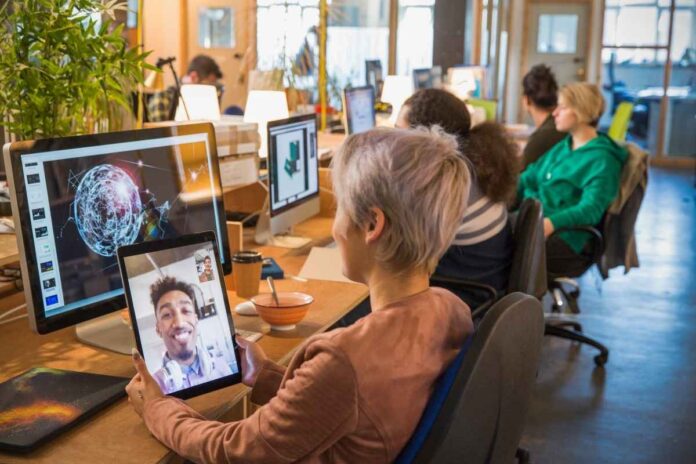
Many IT companies in India established a work from home arrangement after the lockdown was ordered. They were successful in their approach to the change with little to no negative impact on quality or productivity. Many businesses have drastically reduced operating costs by nearly 50-70%, with a considerable reduction in the need for transport and real estate investment.  

“Moving work from an office environment to telecommuting is an important step in reducing the impact of a potential pandemic.” – Jeff Corder, Vice President of Loss Control at Amtrust  

The work from home arrangement has proved to be an ideal setup during the ongoing pandemic, especially for industries that can smoothly operate remotely. It not only takes care of social distancing regulations but also ensures that you are at lesser risk of getting infected thanks to limited exposure and contact with other individuals.  

With social distancing establishing itself as the new normal, work from home is swiftly becoming the ‘future of work’. Along with allowing for a more flexible schedule, it also eliminates commute time. Over time, several managers have reported an ‘overall increase in productivity’ from their remote employees. To add to this, working from home has been recognized as a significant contributing factor to physical and mental health of the individual and a better environment by reducing the carbon footprint.  

“This is our new operating model and represents the future of work. It helps our employees enjoy a better quality of life, and it helps organizations become more resilient because the fully distributed nature of this model is inherently less risky and better suited for business continuity and agility.” – Rajesh Gopinathan, CEO & Managing Director of Tata Consultancy Services  

In a survey by Willis Towers Watson on UAE businesses, 22% of employees felt that the work from home arrangements boosted their productivity. An example of the productivity being maintained or increased is Willis Towers Watson itself. Despite the UAE’s restrictions being relaxed, the company is in no hurry to suspend work from home. The same applies to Young Living Essential Oils, a Leni, Utah based company that has allowed approximately 1,200 of its 2,460 employees to work from home through 2020. 

Many companies have gone out of their way to ease the process of telecommuting and working from home through the pandemic. Work from home is the future of work. Robust communication systems, flexible working, and improved benefits packages have seen to that. The epidemic has exposed a majority of companies to experiment with the idea of working from home, and for a significant number, it has come through as successful. 

Kerala startup takes on Zoom and develops homegrown video conferencing platform

0
Kerala Startup - Point2Note
Kerala Startup

Despite pandemic giving a stressful time to well-known companies, the startups have stood firm against it like the frontline warriors and created opportunities during this period. They have been successful in turning the global threat into an advantage for themselves and people alike. Kerala based startup showcased its potential in the Digital India challenge to create a platform similar to Zoom. The result is Vconsol, a video conferencing platform designed by Techgentsia that promises to take on massive players such as Zoom, Cisco Webex, Google Meet, and JioMeet with support from the government and financial backing of 1 crore.

While announcing the winners of Digital India challenge, IT Minister RS Prasad said:

“We are committed to developing India’s software product and mobile app economy in a big way, and efforts like this will go a long way in that direction.”

The startups are developing new applications to suit market needs. With everything shifting online, like education, medicine, and office, the requirement for internet and web-based applications have skyrocketed. About 2000 companies participated in the Digital India challenge, and Vconsol presented its best video conferencing software distinguished by its excellent communication features and technology. It is now all set to rival Zoom app, which has its second-highest user base in India despite the growing security concerns.

Techgentsia is a decade old company that has been working on research and development of video conferencing solutions. It is currently providing services in the US and Europe, and with the financial support of 1 crore, Vconsol will be adopted by the government. 

As a competitor to Zoom, Vconsol comes with additional security features. 

“Each participant will have a different password. And, to ensure that only those expected or invited are able to join the video conference, an OTP verification code will be sent to mobile phones of participants,” said Joy Sebastian, CEO and Co-founder of Techgentsia who developed the app with his team.

Sebastian dreamt of developing a product for the country and the Digital India challenge became a perfect opportunity to showcase his potential to the world. 

The platform supports eight Indian languages apart from English, but they plan to provide additional language options and launch it to the B2B market first. With opportunities in every industry, they are also looking to customize the solution for edtech and telemedicine.

The application has three categories- business, family, and education to cater to different sectors. Each category allows the user to connect with existing tools such as Cisco, Android, Polycom, and provide screen-sharing options through HDMI and wireless connections.

The pandemic has proved to be a good opportunity for startups. After banning several Chinese apps such as TikTok, the Indian applications are encouraged to fill in the gaps. Zoom has been a vulnerable application owing to security issues. The requirement of new video calling applications grew stronger and stronger. It has resulted in the development of a new application by Techgentsia, which can potentially eliminate Zoom from the Indian market.

Startups vs COVID-19: How AI Plays A Role

1
Startups and AI - Point2Note
Startups and AI

With lockdowns, social distancing, and other precautionary measures being enforced everywhere, companies have had to modify their work models to adapt to remote working. The last few months have seen an accelerated escalation in the number of finances allocated to updating powerful cloud computing and industry-friendly AI technologies to smooth over the transition. Artificial Intelligence has allowed for faster scrambling of big data to create better predictive algorithms. 

Before the spread of COVID-19, the International Data Corporation had projected a $96.3 billion rise in AI spending in 2023 from $38.4 billion in 2019. This being a pre-pandemic prediction, it is easy to see how ‘understated’ these numbers could be.  

“Automation, in any form, whether physical or virtual, has already been the next paradigm shift in business, just waiting to happen. And while we’ve been steadily evolving on this trajectory, advancing scale and service in exceeding increments, the current crisis has shown us how important it is for business to support their workforce and adopt a ‘digitalCOLLEAGUE’ approach.” – Anoop Tiwari, Senior Corporate Vice President at HCL Technologies  

AI-powered companies have taken the opportunity to cope with the pandemic by venturing into technologies that aid in disease surveillance, fever detection and facial recognition, Automation of disinfection, information verification, and even serve as virtual healthcare assistants. AI has helped identify patterns from massive amounts of data, which has not only accommodated support for health care but has also minimized the spread of coronavirus. 

Taking advantage of the elevated need for AI solutions, many startups have surfaced to be the face of the ‘new normal.’ Blockasapp.ai, an AI-based monitoring drone, is developed to support local bodies and police in their work. Bluesemi, a contactless wireless thermal scanning device, helps to measure the exact temperature of an individual. On the other hand, Byteforce, a crowd monitoring computer vision solution, can be integrated into CCTVs and drones to analyze video footage in real time. All these are just a few examples. 

Even Infosys has recently launched its AI-driven ‘Cognitive Email Workbench’ that helps the company with efficient query management and attend only those requests that require manual intervention. Another good example is Gong, a sales software startup that scrambles data to pitch product updates to ready customers, which has now raised a total of $334 million in funding.  

“AI could make post-pandemic recovery quicker, easier, and more robust. During the COVID-19 pandemic, AI has been crucial in tackling the healthcare consequences of the disease and other important implications that affect social, economic, and policymaking decisions. The world is facing many challenges as it fights COVID-19, however, advances in AI solutions could be influential in helping predict, detect, and treat future pandemics.” – Dr. Mohammad Yaqub, Assistant Professor at the Mohamed Bin Zayed University of Artificial Intelligence and Research Fellow at the University of Oxford.  

Agritech startups are not behind, and they are making their way from the challenges the pandemic has posed in front of them. AI has effectively aided farmers with streamlining the supply process to transition to online trading of products at better pricing. More than 450 agritech startups in India have opened several opportunities and even drove the sector sustainably.  

COVID-19 has driven the acceleration of AI that has the potential to carry us relatively safely through this challenge. AI’s data scrambling capacities have aided growth in health, agriculture, and even the consumer market. While it was gaining popularity pre-pandemic, COVID-19 has pushed for its growth, and the successful use of AI by startups allows it to be a privilege of being a permanent part of our ‘new normal’.

OYO begins restoring full salaries and introduces employee wellbeing programs

0
OYO Rooms - Point2Note
OYO Rooms | Skift(dot)com

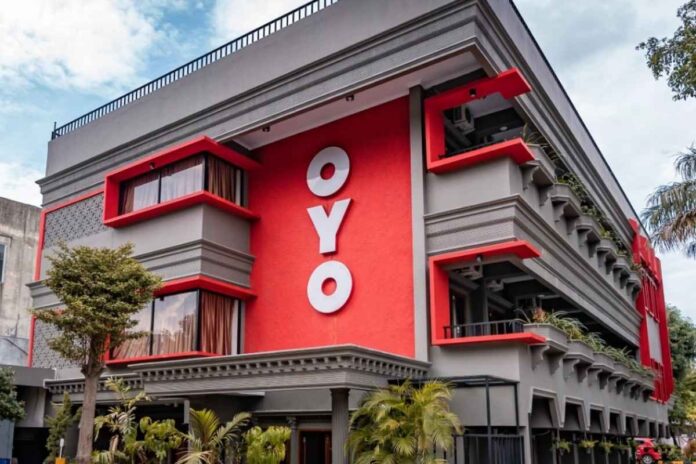
Hospitality giant OYO recently announced that the company has decided to withdraw pay cuts instigated back in April 2020. Rohit Kapoor, CEO OYO India, and Dinesh Ramamurthi, Chief Human Resources Officer reportedly told the staff in an internal town hall that OYO begins restoring full salaries of employees with fixed compensation up to Rs 8 lakhs from now. As a result, almost 60% of employees across India and South Asia found themselves reassured amidst a pandemic.

The company also communicated that all other employees would also see a phased reversal in their pay cut. Around 12.5% of the total 25% cut will be restored from October 2020. The rest would be done by December. The company had to make difficult decisions of placing some employees on leave with limited benefits four months back.

During the town hall, the company urged everyone to continue working together to bring the business back to pre COVID-19 levels. OYO had shared employee stock ownership plans (ESOPs) worth 130 crores approximately to its furloughed employees to minimize losses and disruptions being experienced by them.

We are indebted to the passion and love that each one of our colleagues has shown, and our efforts are to reward the employees for the long-term as they have supported the company during tough times, and do all we can to support them during these tough times. Even during these challenging circumstances, OYO is doing its best to deliver on its people priorities said Rohit Kapoor, CEO OYO India

More recently, the company announced new employee initiatives to help employees deal with anxiety and stress while working from home. With work from home becoming the new normal, thousands of Indians have been subject to long working hours, eventually leading to what’s now called “burn out.”

OYO’s latest initiative includes a 5-day work week, with strict restrictions on spilling work to the weekends. The company says:

Responding to work emails or messages over the weekend by the subsequent working day will be acceptable, and leaders or business heads will not conduct review meetings on Monday so that the teams do not have to prepare for it over the weekend. – as stated by OYO

The employees will also be allowed to block personal time for meals, hobbies and other household chores on their calendars during weekdays. The company has also partnered with another upcoming giant, Cure.fit, to give its employees access to their workout sessions. OYO said that they would bear 50% of the costs for the first year. All these initiatives add to employees happiness and wellbeing eventually helping OYO reinforce their commitment to OYOpreneurs.

OYO’s journey from April to August 2020 has been a story of resilience. As the world slowly and gradually moves back into its usual work mode, its promise of restoring full salaries and wellbeing programs comes out as a breather for its employees.

3D printed stem cell heart to be a game-changer

1
3D printed stem cell heart - Point 2 Note
3D printed stem cell heart

Heart disease is very common, and it is alarming to note the number of deaths caused by heart conditions each year across the globe. It may not be wrong to say that every person suffering from heart disease may never receive a transplant. During such conditions, 3D printing technology has given a ray of hope to the possibility of replicating vital organs in patients. An extraordinary feat was recently achieved at the University of Minnesota where a 3D printed stem cell heart containing actual human cells was able to pump like a functioning organ. This model beat like a human heart and was sized at 1.5 centimeters.

This development is a big step forward towards bringing down the death toll attributed to heart conditions across the world. 3D printing technology is a viable alternative to organ transplant and is a key strategy in regenerative medicine.

The 3D printed stem cell heart made with human stem cells is a miniature but is being viewed as a game-changer. This success will fuel research and innovation in the treatment of cardiovascular disease. 3D bioprinting produces replicas of human organs and “creates” living tissue using specialized ‘biocompatible’ inks. The possibility of a 3D heart transplant is still far away, but the heart pump achieved is a breakthrough.

Scientists at the University of Minnesota took a different track from earlier studies when they were unable to print functioning heart muscle cells that produced a pump. This time around, they grew human stem cells until a suitable cell density was achieved within a heart muscle structure. The research was previously focused on directly printing cardiomyocytes, but during this time, the appropriate cell density could not be achieved. Cardiomyocytes are differentiated stem cells.

Brenda Ogle led the research at the University of Minnesota, and she explains precisely how they were successful. She says, at first, we tried 3D printing cardiomyocytes, and we failed, too. So, with our team’s expertise in stem cell research and 3D printing, we decided to try a new approach. We optimized the special ink made from extracellular matrix proteins, combined the ink with human stem cells, and used the ink-plus-cells to 3D print the chambered structure. The stem cells were expanded to high cell densities in the structure first, and then we differentiated them to the heart muscle cells.

This beating human heart was printed as a two-chamber structure with an extracellular matrix. This model could transform the study of medicines and therapies. A 3D printed heart is a crucial tool in research since it can be used by scientists to study the pumping of blood and the functioning of a human heart more closely.

The 3D printed stem cell heart produced in this research will be studied further as it was made to be placed within the abdominal cavity of a mouse. This extraordinary feat by the University of Minnesota will go a long way in making vital organs accessible to patients in a sustainable manner.

error: Content is protected !!